Why Most Home Air Purifiers Fail Most People (And What Actually Works for Real Clean Air)
You’ve spent good money on an air purifier, perhaps swayed by promises of cleaner air, fewer allergies, or even better sleep. You plug it in, hear the gentle hum, and for a few days, you feel a sense of accomplishment. Yet, weeks later, that persistent sniffle is back, the dust bunnies under the bed seem just as defiant, and the lingering cooking odors are still, well, lingering. You’re left wondering if it was all a waste. In my experience, this frustration is incredibly common.
I’ve been there. Living in a city with seasonal allergens and the general grime that floats in from outside, I’ve cycled through my share of air purifiers – from compact desktop models to larger, supposedly ‘whole-home’ units. Each time, I hoped for that crisp, clean, almost mountain-air feeling, but it rarely materialized. The mistake I see most often, and one I made myself for years, is believing that a single device, no matter how advanced, can magically solve a complex problem like indoor air quality. It’s like trying to bail out a leaky boat with a teacup without addressing the holes.
The truth is, effective indoor air purification is rarely about one gadget. It’s about a multi-layered strategy that addresses sources, ventilation, and targeted filtration. Without understanding these foundational principles, even the most expensive air purifier becomes an expensive paperweight, merely stirring the problem rather than solving it. This article isn’t just about why most air purifiers disappoint; it’s about what actually creates a measurable, noticeable difference in the air you breathe every day.
Key Takeaways
- Most air purifiers fail because they treat symptoms without addressing the root causes of indoor air pollution.
- True air quality improvement requires a multi-pronged approach: source control, enhanced ventilation, and appropriate filtration.
- HEPA filters are essential for particle removal, but often need to be part of a larger system to be truly effective.
- Maintaining relative humidity between 40-60% is a critical, often overlooked factor for overall indoor air health.
The Overlooked Power of Source Control: Stop Pollution at its Roots
The biggest misconception about air purifiers is that they can somehow magically make existing pollution disappear without you having to change anything else. This is akin to constantly wiping up spills without ever turning off the tap. In my experience, the single most effective step you can take to improve your indoor air quality has nothing to do with buying a filter: it’s identifying and controlling the sources of pollution.
Think about it: every time you cook, burn a scented candle, use chemical cleaners, or even track in outdoor dirt on your shoes, you’re actively generating pollutants. A typical air purifier might eventually filter some of these out, but it’s a constant uphill battle. What changed everything for me was a radical shift in perspective: instead of just filtering, I focused on reducing. For instance, I used to love scented candles. Once I realized they were a significant source of VOCs (Volatile Organic Compounds) and fine particulate matter, I switched to an essential oil diffuser with pure oils or simply opted for natural ventilation. The difference was stark – not only did the air feel cleaner, but the air purifier worked far more efficiently on the remaining particles.
Actionable Insight: Conduct a ‘pollution audit’ in your home. Are you using strong chemical cleaners? Switch to white vinegar, baking soda, and natural alternatives. Do you burn candles or incense daily? Consider reducing frequency or switching to diffusers with pure essential oils. Do you let cooking smoke linger? Always use your range hood or open a window while cooking. Even small changes, like taking off shoes at the door to reduce tracked-in allergens and pesticides, significantly lighten the load on any air purification system.
Why Most Air Purifier Marketing Misses the Mark (and How to Spot a Truly Effective Filter)
Many air purifiers are marketed on features that sound impressive but deliver little real-world benefit. Ozone generators, ionizers, and photocatalytic oxidation (PCO) systems, for example, often generate their own set of harmful byproducts or are simply ineffective against the most common indoor pollutants. I once bought an air purifier that boasted ‘negative ion technology’ – it sounded futuristic and healthy. All it did was leave a faint metallic smell in the air and attract dust to surfaces, rather than removing it from the air I was breathing.
The critical standard you need to look for is a True HEPA filter. The term ‘HEPA-type’ or ‘HEPA-like’ is a red flag; these are marketing gimmicks. A true HEPA filter captures at least 99.97% of airborne particles 0.3 microns in size, which includes most allergens (pollen, pet dander), dust mites, mold spores, and even some bacteria and viruses. Anything less is, frankly, not worth your money if your goal is comprehensive particle removal.
However, a HEPA filter alone isn’t enough. The purifier’s CADR (Clean Air Delivery Rate) rating tells you how quickly the unit removes particles from a room of a certain size. A high CADR means it can clean the air more times per hour. A unit with a high-quality HEPA filter but a low CADR for your room size is like having a Ferrari engine in a bicycle – good components, but not designed for the job. Additionally, look for an activated carbon filter layer, especially if odors, VOCs (from paints, cleaning products, new furniture), or gases are a concern. This second layer is crucial for anything a HEPA filter can’t physically trap.
Actionable Insight: When buying an air purifier, prioritize True HEPA filters and check the CADR rating to ensure it matches or exceeds the recommended air changes per hour for your room size (ideally 4-5 air changes per hour). Always look for an activated carbon filter for gas and odor removal. Be wary of purifiers that claim to ‘kill’ germs without specifying the filtration method, and avoid those that intentionally produce ozone.
The Critical Role of Ventilation: Bring in the Freshness, Push Out the Stale
One of the most profound lessons I learned about indoor air quality is that even the best air purifier is fundamentally a recirculating system. It cleans the air already inside your home. What it doesn’t do, and what no filter alone can accomplish, is bring in fresh air from outside or remove stale, polluted air entirely. This is where ventilation becomes non-negotiable.
Modern homes, especially energy-efficient ones, are often sealed extremely tightly. While great for insulation, this means indoor pollutants (cooking fumes, body odors, off-gassing from furniture, CO2 from breathing) can accumulate to unhealthy levels. I noticed a significant difference in my home’s air quality, particularly in winter when windows were rarely open, after implementing a more intentional ventilation strategy. Simply opening windows for 5-10 minutes a few times a day, even in cooler weather, creates a complete air exchange that ‘resets’ the indoor environment far more effectively than any purifier running continuously.
For more persistent issues, or if you live in an area with high outdoor pollution, consider mechanical ventilation. Energy Recovery Ventilators (ERVs) or Heat Recovery Ventilators (HRVs) bring in fresh outdoor air while recovering a significant portion of the heating or cooling energy, making them efficient year-round solutions. While a larger investment, they address the fundamental issue of stale air that no stand-alone air purifier can.
Actionable Insight: Practice daily ‘flush’ ventilation: open two windows on opposite sides of your home for 5-10 minutes, creating a cross-breeze, at least twice a day. This is especially important after cooking, cleaning, or having guests. If outdoor air quality is often poor, explore filtered mechanical ventilation options like ERVs or HRVs which can bring in fresh, filtered air without significant energy loss.
Humidity: The Unsung Hero (or Villain) of Indoor Air Quality
This is a factor most people, including my former self, completely overlook. I used to think of humidity purely in terms of comfort – too high, and it’s sticky; too low, and my skin gets dry. But maintaining optimal relative humidity (RH) between 40-60% plays a direct, crucial role in air quality and the effectiveness of your purification efforts. Outside of this range, your indoor environment becomes a breeding ground for various pollutants.
When humidity is too high (above 60%), it creates an ideal environment for mold and dust mites to flourish. Mold spores are major allergens and can release mycotoxins, while dust mites are a prevalent trigger for asthma and allergies. Both add a significant particulate and biological load that even the best air purifier struggles to keep up with, especially if the source (the high humidity) isn’t addressed. I learned this the hard way when a damp corner of my bathroom became a small mold farm, despite my air purifier running continuously in the adjacent hallway.
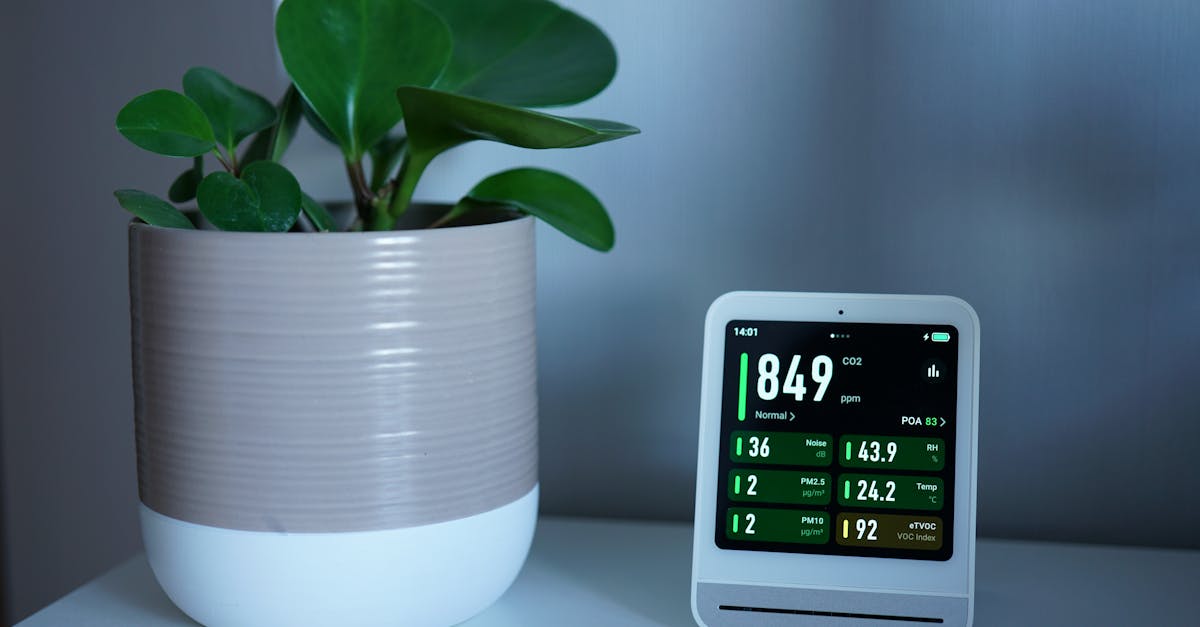
Conversely, when humidity is too low (below 30-40%), respiratory mucous membranes dry out, making you more susceptible to airborne viruses and bacteria. Studies have shown that some viruses remain airborne longer in very dry conditions. Low humidity also increases static electricity, causing more dust to cling to surfaces and stay airborne longer, making a purifier’s job harder. Investing in a reliable hygrometer (a humidity sensor) was a game-changer for me, allowing me to adjust my humidifiers or dehumidifiers as needed.
Actionable Insight: Invest in a good quality hygrometer (they’re inexpensive!) and aim to keep your indoor relative humidity between 40-60% year-round. Use a dehumidifier in humid months/climates to prevent mold and dust mite growth, and a humidifier in dry months/climates to support respiratory health and reduce airborne particle hang time. Clean and maintain these devices rigorously to prevent them from becoming sources of contamination themselves.
Strategic Placement and Maintenance: Don’t Sabotage Your Purifier’s Performance
Even with the right type of air purifier, poor placement and neglected maintenance can render it almost useless. I remember placing my first ‘powerful’ air purifier in a corner behind a sofa, thinking it would quietly do its job. It was effectively filtering the air in that small, obstructed space, but doing little for the larger room.
Air purifiers work by drawing in air, filtering it, and releasing clean air. For optimal performance, they need unimpeded airflow. Placing them against a wall, behind furniture, or in a tight corner significantly restricts their ability to circulate air throughout the entire room. Think of it like trying to vacuum with the nozzle blocked. The ideal placement is in the main living space where you spend the most time, in an open area, or near a common source of pollution (like a kitchen or entry point).
Equally important, and often forgotten, is consistent filter maintenance. HEPA and carbon filters are designed to capture pollutants, but once they’re full, they stop being effective and can even become a source of trapped odors or allergens. Most manufacturers recommend replacing filters every 6-12 months, but this can vary greatly based on your home’s pollution levels and usage. A visual check of the filter (if accessible) can give you a good indication – if it’s visibly gray or black, it’s time for a change. I always mark my calendar for filter replacement dates now; it’s a small effort that ensures my investment actually pays off.
Actionable Insight: Place your air purifier in an open area, ideally central to the room you want to clean, at least 12-18 inches away from walls or furniture. Never obstruct the intake or exhaust vents. Strictly follow the manufacturer’s guidelines for filter replacement, or even replace them more frequently if you live in a high-pollution environment (e.g., with pets, heavy cooking, or significant outdoor allergens). Regular vacuuming and dusting also reduce the overall particulate load your purifier has to handle.
The Holistic Approach: Creating a Truly Healthy Indoor Environment
Ultimately, relying solely on a single air purifier for pristine indoor air is a fool’s errand. It’s a useful tool, but only one piece of a much larger puzzle. What has truly worked for me, and what I recommend to anyone serious about their health and well-being, is a holistic approach that integrates multiple strategies.
This means starting with source control – diligently reducing what pollutes your air in the first place. Then, layering in effective filtration with true HEPA and activated carbon filters, sized correctly for your space. Next, ensure robust ventilation, whether through regular window openings or mechanical systems, to continually refresh your indoor atmosphere. Finally, actively manage your home’s humidity levels to inhibit mold and bacterial growth while supporting respiratory health. Beyond these, incorporating robust cleaning practices (vacuuming with HEPA filters, damp dusting), regularly cleaning HVAC systems, and even strategically adding certain indoor plants can all contribute to a healthier air profile.
It’s not about finding one magic bullet, but rather creating a comprehensive system where each element supports the others. The goal isn’t just to ‘run an air purifier,’ but to consciously design an indoor environment that promotes health and reduces your exposure to unseen threats. This thoughtful, proactive approach is what truly delivers that noticeable, refreshing difference in the air you breathe.
Actionable Insight: View your home’s air quality as an ecosystem, not a problem for a single device. Combine diligent source control, regular natural ventilation, smart humidity management, and a high-quality, properly maintained True HEPA + activated carbon air purifier to achieve a truly healthy indoor environment. Make these practices part of your regular home maintenance rhythm for lasting benefits.
Frequently Asked Questions
Q: Are air purifiers truly necessary, or is good ventilation enough?
A: While good ventilation is crucial for bringing in fresh air and expelling stale air, it’s not always sufficient. Outdoor air can contain pollen, pollutants, and smoke. Air purifiers with True HEPA filters capture these fine particles that ventilation might bring in, making them a valuable addition, especially for allergy sufferers or those in polluted areas. For optimal air quality, a combination of both is ideal.
Q: What’s the difference between a True HEPA filter and ‘HEPA-type’ or ‘HEPA-like’ filters?
A: A True HEPA filter is certified to capture at least 99.97% of airborne particles as small as 0.3 microns. ‘HEPA-type’ or ‘HEPA-like’ filters are proprietary terms used by manufacturers to suggest similar performance but often fall short of the strict HEPA standard. Always look for ‘True HEPA’ certification to ensure effective particle removal.
Q: Can air purifiers help with pet odors and dander?
A: Yes, a good air purifier with a True HEPA filter will effectively capture pet dander, which is a common allergen. For pet odors, an activated carbon filter layer is essential, as it absorbs volatile organic compounds (VOCs) and other odor-causing molecules from the air. Without the carbon filter, dander might be removed, but odors could persist.
Q: How often should I replace air purifier filters?
A: Filter replacement frequency depends on the specific model, your usage, and your home’s air quality. Generally, True HEPA filters should be replaced every 6-12 months, while activated carbon filters may need replacement every 3-6 months. Always consult your manufacturer’s recommendations and visually inspect filters for signs of heavy discoloration to gauge their saturation.
Q: Are air purifiers noisy? Will they disturb my sleep?
A: Modern air purifiers often have multiple fan speeds, including a ‘sleep’ or ‘whisper’ mode that operates at a very low decibel level. While some noise is inherent to fan operation, most quality units are designed to be unobtrusive, especially on lower settings. Many people find the gentle white noise can even aid sleep, but individual tolerance varies. Checking the unit’s decibel rating before purchase can be helpful.
Q: Do air purifiers help with dust?
A: Yes, air purifiers with True HEPA filters are effective at capturing airborne dust particles, reducing the amount that settles on surfaces. However, they are not a substitute for regular cleaning. Dust often settles on surfaces and needs to be physically removed through vacuuming and damp dusting, as a purifier primarily cleans what’s currently airborne.
Conclusion:
Achieving truly clean indoor air is more than just buying a gadget; it’s a commitment to understanding your home’s unique environment and implementing a comprehensive strategy. By prioritizing source control, choosing the right filtration, ensuring proper ventilation, managing humidity, and maintaining your equipment diligently, you move beyond the marketing hype to create a genuinely healthier living space. Don’t settle for merely ‘purifying’ – aim to transform your home into a sanctuary of clean, fresh air. Start today by looking at your current cleaning products and assessing your ventilation habits. Every small step contributes to a breath of fresh air, literally.
Written by Sarah Chen
Productivity & Personal Well-being
A seasoned lifestyle journalist with a keen eye for practical living and personal growth strategies.
You Might Also Like

Why Most 'Budget' Home Exercise Equipment Fails (And What Actually Works for Real Fitness)
Don't waste money on cheap home gym gear. Discover why most budget exercise equipment fails and what strategies actually build lasting fitness.

Why Most Beginners Fail at Decluttering Emotional Clutter (And The Intentional Release Strategy That Actually Works)
Emotional clutter weighs you down more than physical stuff. Learn why traditional 'let it go' advice fails and embrace an intentional release strategy.

Why Most Beginners Fail at Personal Development (And The Layered Approach That Actually Works)
Discover why traditional personal development often fails, and learn a sustainable, layered approach to achieve lasting growth.