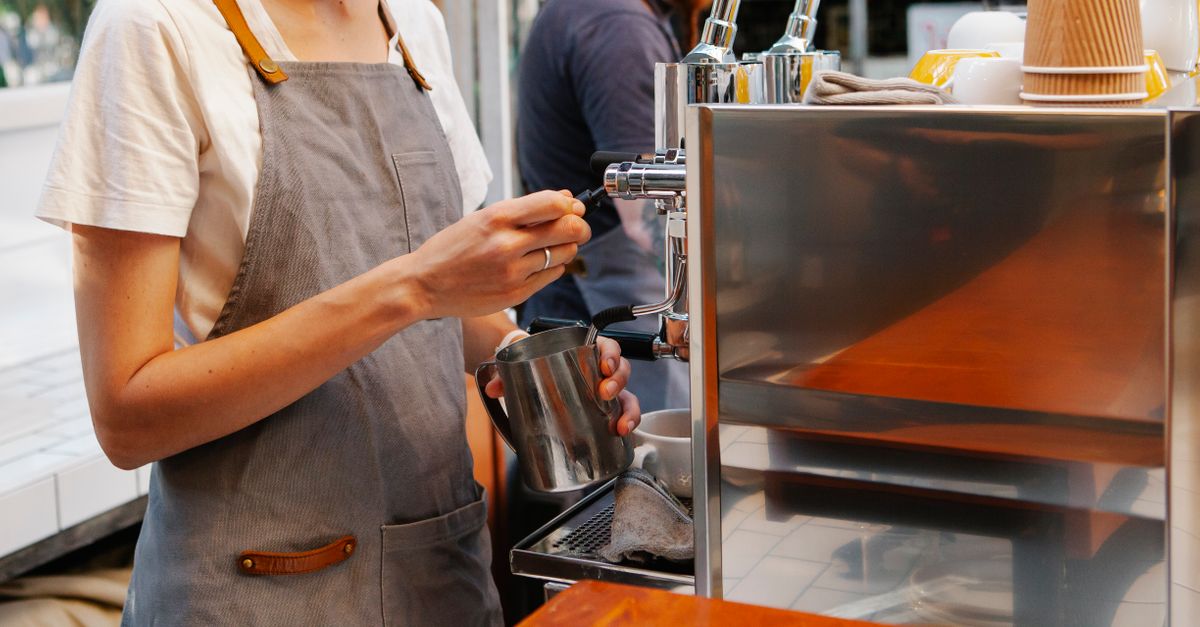
Why Most Budget Home Espresso Machines Fail (And What Actually Works for Real Cafe-Quality Coffee)
For years, I was convinced that making genuine cafe-quality espresso at home was a luxury reserved for those with commercial-grade machines and deep pockets. I spent countless hours watching baristas, reading reviews, and eventually, making a series of frustrating purchases myself. Each time, I’d be drawn in by a sleek design or a tempting ‘budget-friendly’ price tag, only to be met with weak, sour shots, inconsistent steam, and a lingering sense of disappointment.
I’ve been down the rabbit hole of trying to hack cheap machines, watching YouTube tutorials on modifying portafilters, and even attempting to re-engineer steam wands. The truth I painfully learned is that most budget home espresso machines aren’t just ‘entry-level’ – they’re fundamentally flawed, designed to look the part but fail to deliver where it counts. They promise the world of creamy lattes and rich americanos, but instead, they deliver a watered-down, bitter experience that leaves you questioning your skills, your beans, and your life choices. It wasn’t until I understood the core engineering limitations and shifted my approach that I finally started pulling shots that rivaled my favorite local cafe.
Key Takeaways
- Most budget home espresso machines cut corners on core components like the boiler and pump, leading to inconsistent temperature and pressure, crucial for good espresso.
- The built-in grinders on these machines are almost universally inadequate, producing an uneven grind size that ruins extraction.
- Achieving cafe-quality espresso at home requires investing in a quality grinder first, as grind consistency is paramount.
- A better strategy is to prioritize a reliable single boiler or thermoblock machine from a reputable brand and pair it with a dedicated, high-quality burr grinder.
The Fatal Flaw: Inconsistent Temperature and Pressure Control
When I first started my home espresso journey, I thought the primary difference between a $150 machine and a $1,500 one was just branding or extra features. I was dead wrong. The real secret to good espresso lies in precise temperature and pressure control during extraction. Most budget machines, particularly those under $300, make critical compromises in these areas, rendering them incapable of consistently producing a quality shot.
Think of it this way: espresso is essentially forcing hot water through finely ground coffee at high pressure. If the water isn’t at the optimal temperature (around 195-205°F or 90-96°C) and the pressure isn’t stable (around 9 bars), you get either under-extraction (sour, weak coffee) or over-extraction (bitter, burnt-tasting coffee).
In my experience, budget machines typically use small, inefficient thermoblock heating systems or single boilers with poor insulation. This means the water temperature fluctuates wildly during the shot. You might start at the right temperature, but by the time the water hits the coffee, it’s already dropped significantly. This leads to that common sour taste that plagues so many home baristas. Furthermore, the pumps are often weak, inconsistent, or lack proper over-pressure valves (OPV), which means you’re not getting a stable 9 bars of pressure. This manifests as shots that gush too fast or choke completely, rarely hitting that sweet spot of a perfect 25-30 second extraction.
What changed everything for me was understanding that you cannot compensate for poor temperature and pressure control with better beans or a fancier technique. It’s like trying to bake a soufflé in an oven that can’t hold a consistent temperature – the ingredients might be perfect, but the tool is fundamentally inadequate. Prioritize a machine that boasts stable temperature, even if it means sacrificing some of the bells and whistles.
The Hidden Saboteur: Integrated Grinders and Cheap Burr Mills
This is perhaps the biggest trap in the budget espresso world: machines with built-in grinders. They seem incredibly convenient, promising an all-in-one solution for fresh coffee. I fell for this multiple times, believing it would simplify my morning routine. Instead, it became the source of endless frustration.
The problem isn’t just that these grinders exist; it’s their quality. To make good espresso, you need an incredibly consistent and fine grind. We’re talking about uniform particles, almost like powdered sugar, but not quite. The burrs in integrated budget grinders are typically low-quality ceramic or stamped steel, and their alignment is often poor. They produce a wildly inconsistent grind: a mix of boulders and fine dust. The boulders lead to under-extraction, as water rushes past them, while the dust over-extracts instantly, leading to a muddy, bitter taste.
I vividly remember trying to dial in a shot on one such machine. I’d adjust the grind setting, thinking I was getting somewhere, only for the next shot to taste completely different. The inconsistency was maddening. It made me doubt my fresh, expensive beans and even my own palate. The mistake I see most often is that people prioritize the espresso machine itself, thinking the grinder is secondary. In reality, the grinder is arguably more important than the machine.
If you can’t get a consistent grind, even the most expensive espresso machine in the world won’t save your shot. It’s a foundational element. My firm recommendation is to always buy a separate, dedicated burr grinder specifically designed for espresso. This alone will elevate your coffee significantly more than upgrading your machine while sticking with a subpar grinder.
Overlooked Maintenance and Lack of Serviceability
Another critical, yet often ignored, aspect of budget machines is their long-term maintainability and durability. When you’re paying $150-$250 for a complex appliance, compromises aren’t just made on performance; they’re also made on component quality and ease of repair. Many budget machines are designed as essentially disposable appliances.
I learned this the hard way when my second budget machine started leaking after just a year of moderate use. Getting replacement parts was nearly impossible, and even if I found them, the machine’s internal design made DIY repair a nightmare. Hoses were clamped in inaccessible places, tiny wires were impossible to reconnect, and specialized tools were required for even basic component swaps.
Espresso machines, by their nature, deal with high heat and pressure, which means components like gaskets, O-rings, and pumps will eventually wear out. A good quality machine, even an entry-level one from a reputable brand, is designed with serviceability in mind. Parts are available, and there are often detailed repair guides or authorized service centers. With budget machines, you’re often left stranded, forced to buy a whole new unit, which ironically defeats the purpose of trying to save money.
In my experience, ignoring the serviceability aspect leads to a higher long-term cost. That ‘cheap’ machine might seem like a steal now, but if it dies in 18 months and is unrepairable, you’re back to square one, effectively paying more over time than if you’d invested a bit more upfront.
The Better Way: Prioritize the Grinder and a Simple, Reliable Machine
So, if budget machines are mostly a trap, what’s the actual path to cafe-quality espresso at home without spending thousands? The strategy that changed everything for me was a two-pronged approach: investing in a truly excellent grinder first, and then pairing it with the simplest, most reliable espresso machine you can afford from a reputable brand.
I started by spending about $200-$300 on a dedicated conical burr grinder that was known for its espresso capabilities. This was a revelation. Suddenly, my coffee tasted consistent. I could actually dial in my shots, making small adjustments to the grind and seeing a predictable impact on the taste. This foundation of consistent grind size meant I was finally giving my espresso machine a fighting chance.
For the machine itself, I shifted away from the all-in-one gimmicks and towards models known for their core performance. I looked for machines with a stable heating system (a decent single boiler or a well-regarded thermoblock) and a reliable pump with an OPV, even if it meant sacrificing fancy programming or digital displays. Machines like the Gaggia Classic Pro or certain Breville (Sage in Europe) models offer a solid foundation. They might not be ‘budget’ in the sense of being under $200, but they are entry-level into the real espresso world, typically ranging from $400-$700. This might seem like a jump, but it’s an investment in quality that will last and actually deliver.
My routine now is simple: I grind fresh beans with my excellent grinder, pull a shot on my no-frills but reliable machine, and steam milk with a surprisingly capable steam wand. The entire process takes less than 5 minutes, and the result is consistently delicious. It’s a far cry from the frustration of my early attempts, and it all started with understanding where to actually invest my money.
The Overlooked Joy of Manual Brewing Methods
Before I even considered a more expensive espresso machine, there was a phase where I was entirely done with electric machines. The constant frustration led me to explore manual brewing methods that could deliver similar rich, concentrated coffee, but with far greater consistency and often for a fraction of the price. This approach offers a fantastic entry point for those truly on a tight budget or who want to truly understand extraction before investing in complex machinery.
Devices like the AeroPress, Flair Espresso Maker, or even a good Moka pot, when used correctly, can produce surprisingly delicious, espresso-like drinks. While they aren’t ‘true’ espresso in the technical sense of 9 bars of pressure, they excel in consistency and allow you to really focus on the grind, the dose, and the brewing time without the added variables of inconsistent temperature and pressure that plague cheap electric machines.
I spent months perfecting my AeroPress technique, and I was consistently getting rich, strong coffee that was miles better than anything my budget electric machines had produced. The Flair Espresso Maker, in particular, offers a hands-on approach to truly manual espresso, giving you direct control over the pressure. It takes effort, but the learning curve is rewarding, and the quality of the shot can be outstanding. The equipment cost for a Flair and a good hand grinder is often less than a mediocre budget electric machine.
For anyone feeling the sting of a failed budget espresso machine, or hesitant to invest big upfront, I highly recommend exploring these manual options. They strip away the complexity of poor electronics and allow you to hone your skills on the fundamentals of coffee extraction. You’ll develop a better understanding of what makes a good shot, and when you eventually decide to upgrade to an electric machine, you’ll be armed with the knowledge to make a much smarter, more impactful investment.
The Real Cost of Cheap Espresso: Time, Frustration, and Wasted Beans
When I reflect on my early days of trying to make espresso at home, the true cost wasn’t just the money I spent on several disappointing machines. It was the intangible costs: the hours of frustration, the wasted bags of expensive specialty coffee beans, and the constant feeling of inadequacy. Each failed shot chipped away at my enthusiasm, turning what should have been an enjoyable morning ritual into a stressful chore.
Imagine spending $15-$20 on a bag of high-quality, freshly roasted beans, only to consistently pull shots that taste burnt or sour. It’s disheartening, and it makes you question if you even like espresso. I know I certainly did. This cycle of disappointment often leads people to give up on home espresso entirely, resorting to expensive cafe visits or settling for mediocre coffee at home. In the long run, those daily cafe lattes add up to far more than the cost of a decent home setup.
What changed for me was realizing that my ‘budget-friendly’ approach was actually costing me more in the long run, both financially (due to repeated purchases of inadequate equipment) and emotionally. I was investing in machines that were set up to fail, no matter how much effort or how good my beans were. Breaking this cycle meant reframing my perspective: a slightly higher upfront investment in the right components (especially the grinder) was not an indulgence, but a necessary step to save money, time, and sanity in the long run.
My advice to anyone considering home espresso is this: view it as a journey, not a sprint to the cheapest possible machine. Educate yourself on the fundamentals, prioritize quality components where it truly matters (grinder, stable temperature/pressure), and be willing to save a bit longer for equipment that will actually deliver. The satisfaction of a truly excellent homemade espresso is worth the initial strategic investment, transforming a frustrating task into a daily pleasure.
Frequently Asked Questions
What’s the minimum I should expect to spend for a decent home espresso setup?
Realistically, for a setup that consistently produces cafe-quality espresso, you should budget at least $500-$800. This typically covers a high-quality dedicated burr grinder (around $200-$300) and a reliable entry-level single boiler or thermoblock espresso machine from a reputable brand (around $300-$500). Anything significantly below this price point often involves major compromises that lead to frustration and poor-tasting coffee.
Why is the grinder so important for espresso?
The grinder is arguably the most critical component because espresso extraction is highly sensitive to grind size and consistency. A good espresso grinder produces uniform particles, allowing water to flow evenly through the coffee bed, leading to balanced extraction. Cheap grinders produce an inconsistent mix of coarse and fine particles, resulting in uneven extraction, leading to sour (under-extracted) and bitter (over-extracted) flavors in the same shot. You can’t fix a bad grind with a good machine.
Can I use pre-ground coffee for espresso?
While technically possible, using pre-ground coffee for espresso is a significant compromise. Coffee begins to stale immediately after grinding, losing its aroma and flavor. More critically, pre-ground coffee is almost never ground to the precise fineness or consistency required for optimal espresso extraction. It’s usually too coarse, leading to watery, under-extracted shots. Freshly grinding whole beans right before brewing is essential for quality espresso.
What’s a ‘thermoplock’ vs. ‘single boiler’ and which is better for a beginner?
A thermoblock heats water on demand, which is faster but often less stable in temperature. A single boiler heats a fixed amount of water to a specific temperature. For a beginner, a well-engineered single boiler machine (like the Gaggia Classic Pro) often offers more temperature stability for pulling espresso shots. However, steaming milk on a single boiler requires waiting for the boiler to heat up to a higher temperature, which adds time between pulling a shot and steaming milk. Thermoblocks can be faster for back-to-back drinks but require good design to maintain temperature stability.
What are some reputable entry-level espresso machine brands?
Brands like Gaggia (e.g., Gaggia Classic Pro), Rancilio (e.g., Rancilio Silvia), and Breville/Sage (various models like the Bambino Plus or Barista Express, though be wary of the built-in grinder on the latter) are generally considered reliable entry points into the home espresso world. For grinders, look at brands like Baratza (e.g., Baratza Encore ESP, Sette series) or Eureka Mignon series. These brands prioritize the core functionalities that actually matter for good espresso.
Written by Sarah Chen
Productivity & Personal Well-being
A seasoned lifestyle journalist with a keen eye for practical living and personal growth strategies.
You Might Also Like

Why Most Beginners Fail at Mastering Their New Smart TV (And What Actually Works for Real Entertainment)
Smart TVs promise convenience but often lead to frustration. Discover why most beginners fail to truly master theirs and what actually works for real entertainment.
Why Your Homemade Sauces Separate (And The Pro Secrets for Silky Perfection Every Time)
Stop frustrating sauce separations! Learn the pro secrets to emulsify like a chef and achieve silky smooth, stable homemade sauces every time.

Why Most Beginners Fail at Mastering Their New Air Fryer (And The Layered Approach That Actually Works for Crispy, Flavorful Results)
Unlock your air fryer's full potential. Learn why common beginner mistakes lead to disappointing food and how a layered approach delivers crispy, delicious results every time.